The Rising Cost of Cybercrime
In an age where our lives are increasingly digitized, cyberattacks have become one of the most pressing threats to global security and economic stability. Hackers—once romanticized as digital rebels—now cost the world an estimated $10.5 trillion annually by 2025, according to Cybersecurity Ventures. Their attacks cripple hospitals, shut down pipelines, steal personal data, and disrupt entire economies. Whether you’re an individual, a small business owner, or part of a Fortune 500 company, no one is immune to the growing menace of hacking. Understanding who hackers are, how they operate, and why everyone is a potential target is the first step toward defending yourself in the digital age.
What Is a Hacker?
A hacker is someone with technical skills who accesses computer systems, networks, or data—often without authorization. While the term originally referred to curious programmers seeking to explore system functions, it has become largely associated with cybercriminals engaging in data breaches, financial theft, and digital sabotage.
However, not all hackers act with malicious intent. The hacker community includes a broad spectrum of actors—from ethical defenders to dangerous cybercriminals.
How Do Hackers Work?
Hackers use a variety of techniques to achieve their objectives. Here are the most common attack methods:
1. Exploiting Software Vulnerabilities
Hackers scan systems for weaknesses—such as outdated software or unpatched code. These vulnerabilities can be exploited to gain control, plant malware, or extract sensitive information.
2. Phishing and Social Engineering
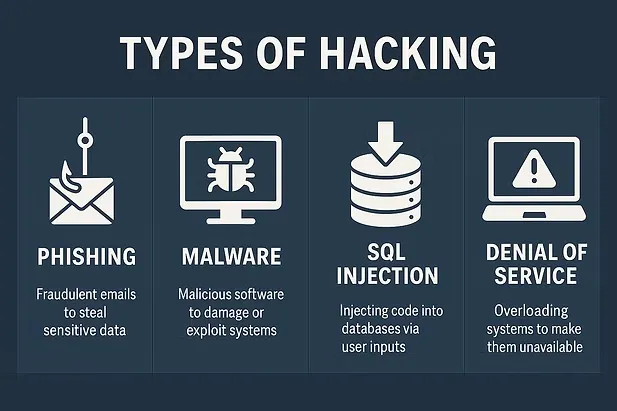
One of the most prevalent tactics, phishing tricks users into giving up confidential information. Hackers disguise emails or websites to look like legitimate institutions, leading victims to share login credentials, banking information, or download malware.
3. Malware and Ransomware Attacks
Malware—short for malicious software—includes viruses, worms, spyware, and ransomware. Ransomware locks your files and demands payment, often in cryptocurrency, to release them. These attacks have shut down hospitals, schools, and even entire city governments.
4. Brute Force and Credential Stuffing
In brute force attacks, hackers try countless password combinations to break into accounts. Credential stuffing uses previously stolen usernames and passwords, banking on the fact that many people reuse their login details across platforms.
5. Man-in-the-Middle (MitM) Attacks
In these attacks, hackers intercept data transmitted between two parties—such as a user and a website—to steal credentials, spy on communications, or manipulate transactions.
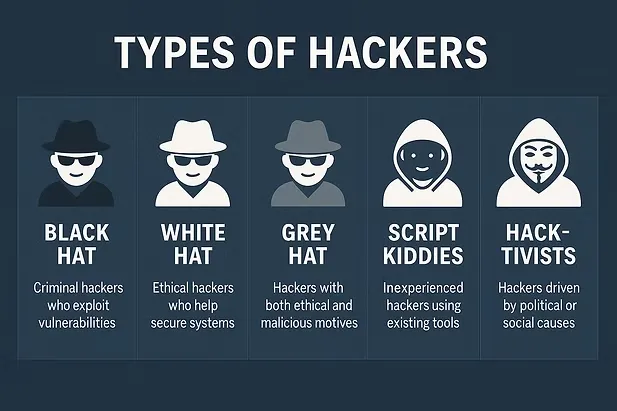
Types of Hackers: The White, Black, and Gray Hats
Hackers are often categorized by their intent and legality. Here’s a breakdown:
1. Black Hat Hackers
These are the criminals of the digital world. Black hats intentionally exploit weaknesses to steal, damage, or disrupt systems. Their motivations include profit, espionage, revenge, or notoriety.
2. White Hat Hackers
Also called ethical hackers, white hats help organizations find and fix security flaws. They work within legal frameworks and are often employed by companies to conduct penetration testing or “red teaming” exercises.
3. Grey Hat Hackers
Grey hats operate in a legal gray area. They may access systems without permission but do not act with clear malicious intent. Sometimes, they reveal vulnerabilities publicly or to companies—often requesting payment in return.
4. Script Kiddies
These are inexperienced hackers who use pre-made tools and scripts without fully understanding them. While less sophisticated, their activities can still cause harm, especially when targeting poorly secured systems.
5. Hacktivists
Hacktivism blends hacking with activism. Hacktivists target government agencies, corporations, or public figures to advance political or social causes. Groups like Anonymous are prominent examples.
6. State-Sponsored Hackers
Nations often fund teams of hackers for cyber espionage, surveillance, or sabotage. These actors are highly skilled and target everything from infrastructure and military systems to political campaigns.
Why Everyone Is Vulnerable to Hackers
Many people believe that only large corporations or wealthy individuals are hacker targets. In reality, anyone with an internet connection can become a victim. Here’s why:
1. Your Data Is Valuable
Even if you’re not rich or famous, your personal data—emails, passwords, photos, financial records—can be sold on the dark web or used in identity theft and fraud.
2. Automation Enables Mass Attacks
Hackers use bots to scan the internet for vulnerable systems 24/7. You don’t have to be targeted specifically; all it takes is a weak password, outdated software, or unsecured device.
3. Small Businesses Are Easy Targets
Smaller companies often lack robust cybersecurity systems, making them low-effort, high-reward targets for ransomware and phishing attacks.
4. The Human Element Is Exploitable
Hackers frequently exploit human error. Clicking a suspicious link, using the same password everywhere, or delaying software updates can open the door to an attack.
5. Everyone Has a Digital Footprint
From smart devices and social media to online banking and cloud storage, our increasing digital presence gives hackers more entry points than ever before.
Notable Hacking Attacks in Recent History
Understanding real-world examples helps illustrate just how widespread and impactful hacking can be:
- Equifax Breach (2017): Personal data of 147 million Americans exposed due to a missed software patch.
- Colonial Pipeline Ransomware Attack (2021): Disrupted fuel distribution in the U.S., causing panic buying and shortages.
- WannaCry Ransomware (2017): Affected over 200,000 computers across 150 countries, including the UK’s National Health Service.
- Yahoo Breaches (2013–2014): Over 3 billion accounts compromised, the largest known data breach in history.
How to Protect Yourself from Hackers
While no defense is foolproof, following these best practices will significantly reduce your risk:
Use Strong, Unique Passwords
Avoid predictable phrases. Use a password manager to create and store complex, unique passwords for each account.
Enable Multi-Factor Authentication (MFA)
MFA adds a second layer of security—like a one-time code sent to your phone—making it harder for hackers to access your accounts.
Keep Software and Devices Updated
Enable automatic updates for operating systems, apps, and antivirus software to fix known security vulnerabilities.
Be Cautious With Emails and Links
Avoid clicking on links or downloading attachments from unknown or unexpected sources. Always verify email authenticity.
Back Up Your Data
Use secure cloud storage or external drives to regularly back up important files. This is critical in the event of ransomware or data loss.
Install Antivirus and Use Firewalls
Reputable antivirus software and firewalls provide a strong first line of defense against malware and unauthorized access.
Cybersecurity Is Everyone’s Responsibility
Hackers are no longer fringe actors—they’re part of a global ecosystem that affects individuals, businesses, and governments alike. Their tactics are evolving, their reach is expanding, and their impact is growing more severe by the day.
The most dangerous mindset is: “It won’t happen to me.” In reality, hackers don’t discriminate. If you’re online, you’re on the radar. By understanding who hackers are, how they work, and why you could be next, you’ll be better equipped to secure your digital life—and avoid becoming another statistic in the cybercrime epidemic.
Frequently Asked Questions (FAQs)
Q: How do hackers decide which organizations or individuals to target?
A: Hackers often evaluate potential victims based on opportunity, ease of access, potential financial gain, and publicly available information rather than personal vendettas.
Q: How do hackers stay anonymous while carrying out attacks?
A: Hackers commonly use layered techniques such as VPNs, proxy networks, compromised devices, and cryptocurrency to obscure their identities and locations.
Q: What role does the dark web play in modern cybercrime?
A: The dark web enables hackers to buy and sell tools, stolen data, credentials, and services, lowering the barrier to entry for cybercrime.